
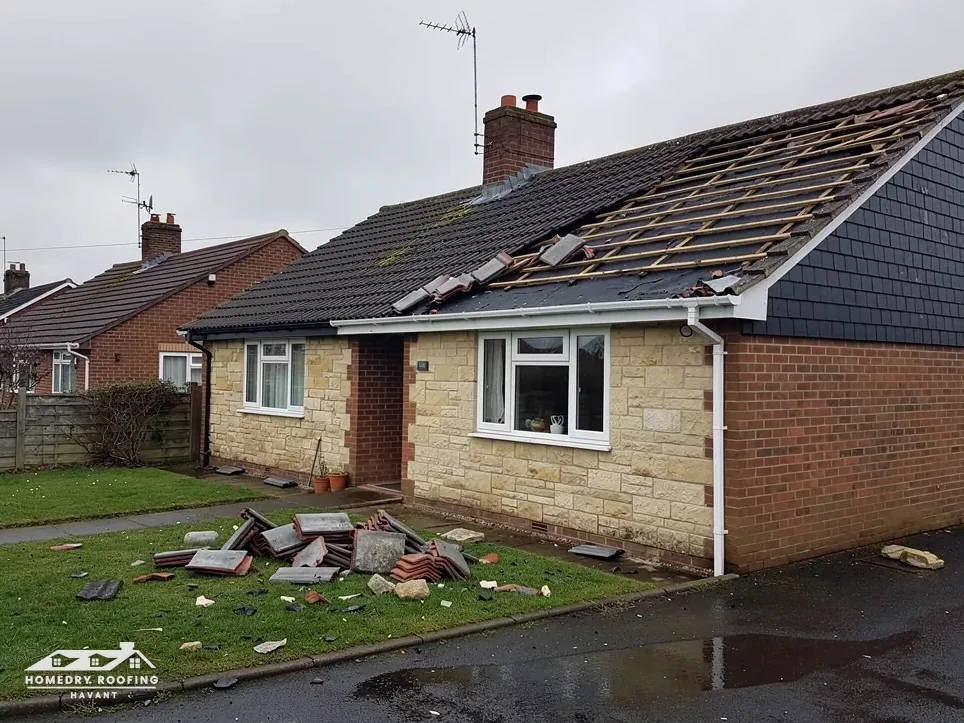
Make the room safe before anything else
Water and wiring are a dangerous mix, so the order of your actions matters more than speed. Deal with the electrics first and the leak second.
- Stay out of any puddle, and do not stand on a wet floor to reach a switch.
- Do not touch a light switch, socket or fitting that is wet or sits under the drip.
- If the consumer unit is within easy reach and the floor under you is dry, switch off the circuit that feeds the wet area. If either is not true, leave it alone and call an electrician.
- Keep children and pets out of the room, and shut the door.
If you see sparks, hear buzzing or smell burning, leave the house and call 999 from outside. Do not try to put anything out yourself while the water is still coming in.
Where the leak is only near a fitting, and nothing is wet to the touch, the same circuit rule still applies. A fitting that looks dry may hold water inside, so treat it as live until someone has checked it.
What to leave alone
The urge to do something is strong, and several helpful-looking actions make the risk worse.
- Do not switch the light on to see whether it still works.
- Do not unscrew a wet bulb, shade or cover.
- Do not wipe a fitting down while the power is on.
- Do not poke a bulging patch of ceiling to let the water out, because a ceiling holding water can drop all at once.
- Do not climb into the loft to chase the leak if the wet cable runs along the joists.
Leave a bulging or sagging ceiling to dry in its own time, and stay out from beneath it. A bucket on the floor, set well clear of any socket or extension lead, is a sensible step if you can place it without stepping into the wet.
Likewise, resist the idea of drying a wet fitting with a hairdryer or heater plugged in nearby. Anything that draws power in a wet room adds to the risk. Wait for the electrician, and use daylight, or a torch, for the time being.
The same goes for the roof outside. Going up to look is a separate risk, and our answer on checking the roof yourself after a storm explains why it stays on the ground.
Who to call, and what each of them looks at
Two trades are involved, and each looks at a different thing. An electrician checks the wiring, the fitting and the circuit, and decides when it is safe to use again. A roofer finds where the water is getting in and closes the opening.
Ring an electrician first if wiring or a fitting has been wet. Tell them which circuit you switched off, where the water appeared and for how long it has been arriving. They may ask you to leave the circuit off until they get there, and to keep everyone out of the room in the meantime.
Then ring us about the roof. We look at the outside and at the loft, cover the opening against further rain, and tell you what the lasting repair involves. You get a written price for that repair as one total, after the survey.
Do not wait for the roof to be made safe before calling the electrician, and do not delay the roof because the electrics are being checked. The two visits do not depend on one another, and you can arrange both on the same morning.
What to tell them, and what to keep
A few clear details help both visitors. Write them down while they are fresh, ideally with photos taken from the doorway, not from inside the wet area.
- Which room and which fitting are affected, and which circuit you switched off.
- When the water started, and whether it grows or stops between showers.
- What lies above that room: a loft, a bathroom, a flat roof or a chimney breast.
- Any marks, stains or bubbling on the ceiling or wall.
- Anything fixed to the outside wall nearby, such as an outside light, alarm box or cable, if water has been running down it.
If the roof damage came with a storm, tell your insurer about the electrics as well as the roof, and keep the electrician's report and receipt with your photos. Our answer on water coming through the ceiling covers the wider steps for the room.
Leave the stained plaster unpainted until the roof has been mended and the mark has stopped changing, so that the stain remains a record of what happened. Our emergency roof repairs page explains how we deal with the roof side, and the written price for any lasting work arrives as one total.